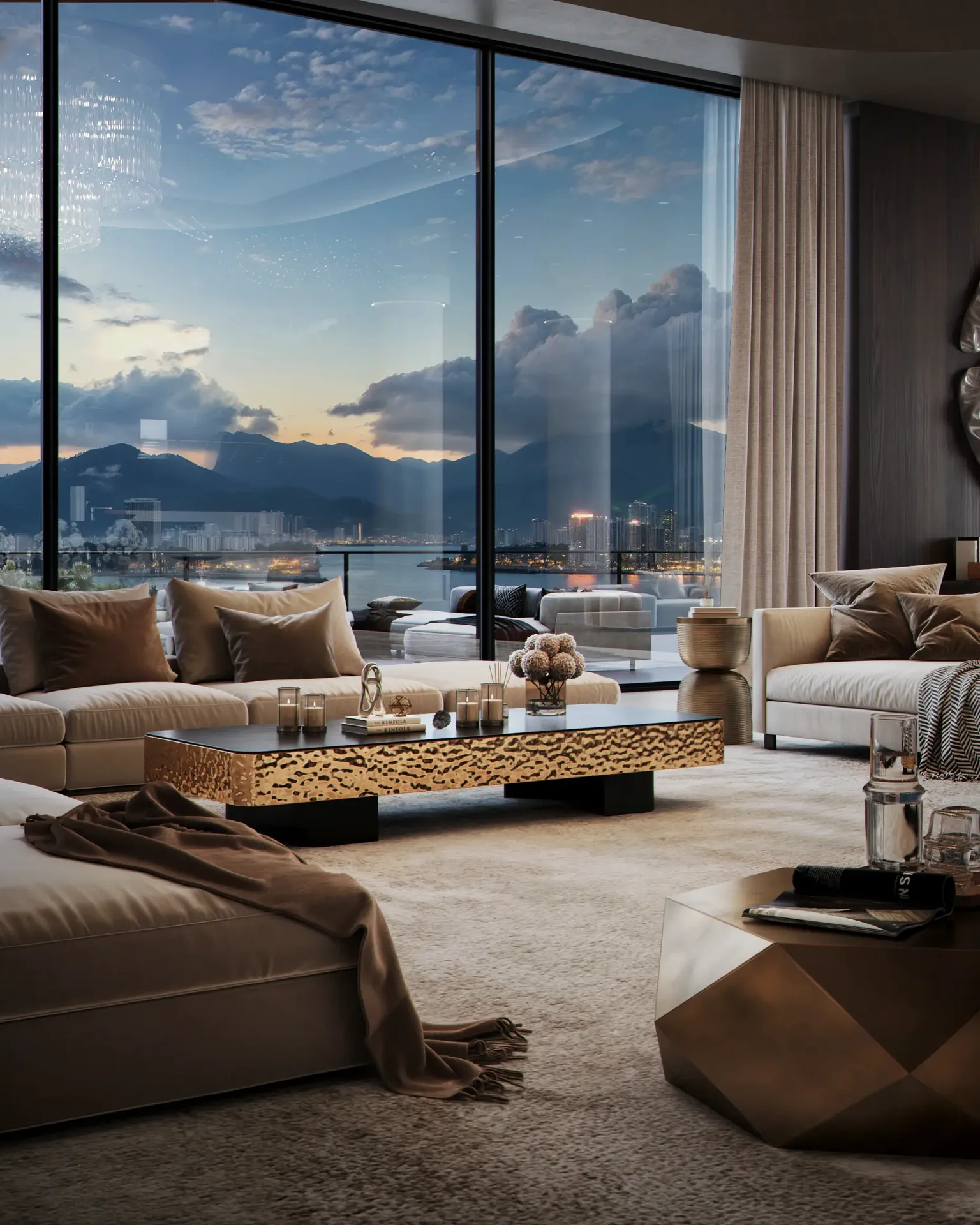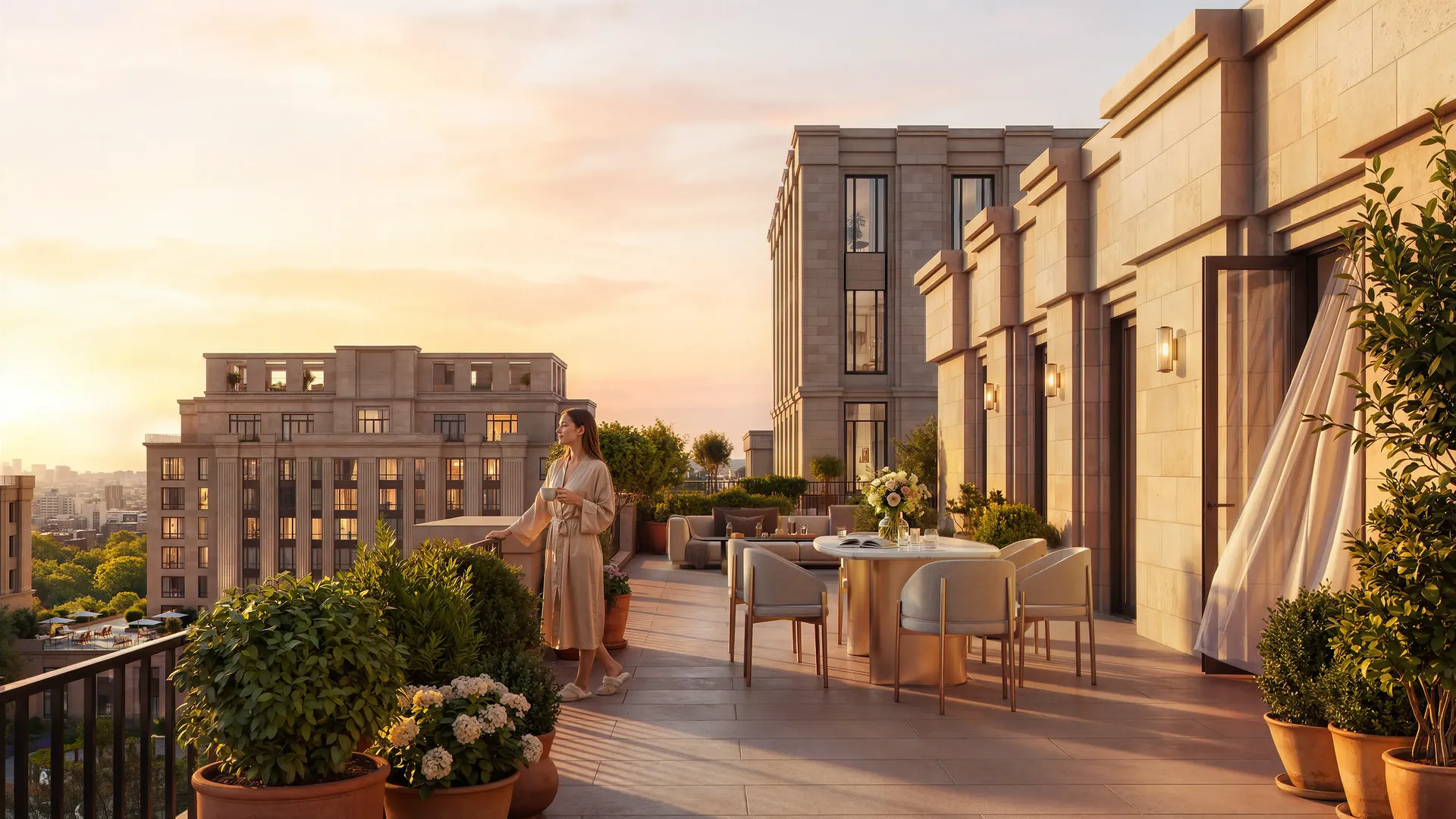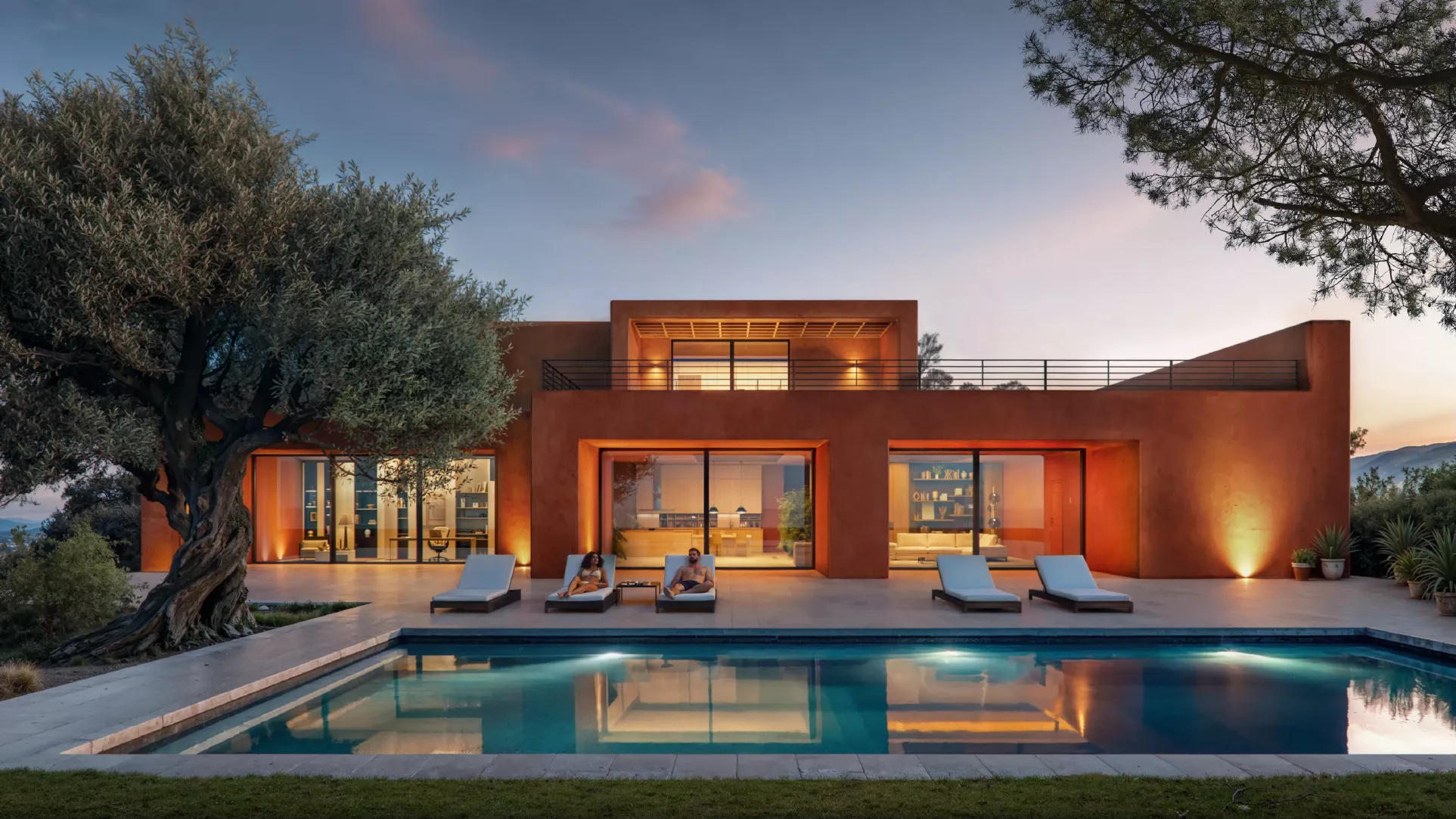
Competition boards rarely fail because of render settings. They fail because the hero frame tries to prove too much at once. We treat the first approved camera as a contract: one story, one light direction, one hierarchy between building and context.
The notes below are the three decisions we repeat with bureaus before we lock grey-box sign-off — and what we deliberately remove when the submission date is immovable.
Pick one proof, not three
A hero view should answer a single question for the jury: scale, material quality, or urban fit. When the brief asks for all three, we split into two cameras early rather than compromise one frame.
If the frame needs a caption to explain what the viewer should notice, the frame is not ready.
Light before entourage
Atmosphere sells mood, but massing sells competence. We lock sun direction and shadow readability before people, cars, or planting — especially on white concrete and glass.
What we cut under pressure
Secondary context buildings, decorative planting, and experimental night variants are the first removals. We keep material truth on the primary façade and one believable ground plane.
- One hero + one supporting wide
- Grey-box massing approval before textures
- Fixed art-direction round before final plants
About this column

Next posts
More from our blog — strategy, process, and studio notes for architectural teams.